

B2B Email Marketing: Nurture, Segment, and Timing
Cold list blasting feels productive. It's not. Sending the same generic message to a large, unqualified list creates the illusion of activity while quietly burning the leads you've worked to earn. Effective B2B email marketing works in the opposite direction, moving each buyer forward one relevant step at a time.
Most B2B buyers aren't ready to buy the first time they see you, which is exactly why email is one of your most underrated tools. Done well, it stays present and useful across the long stretch between first contact and final decision.
Why Blasting a Cold List Fails
Blasting generic messages to unqualified lists doesn't move anyone forward. It treats every recipient as identical, ignores where they are in their decision, and trains them to tune you out. The volume looks impressive, but the results don't follow.
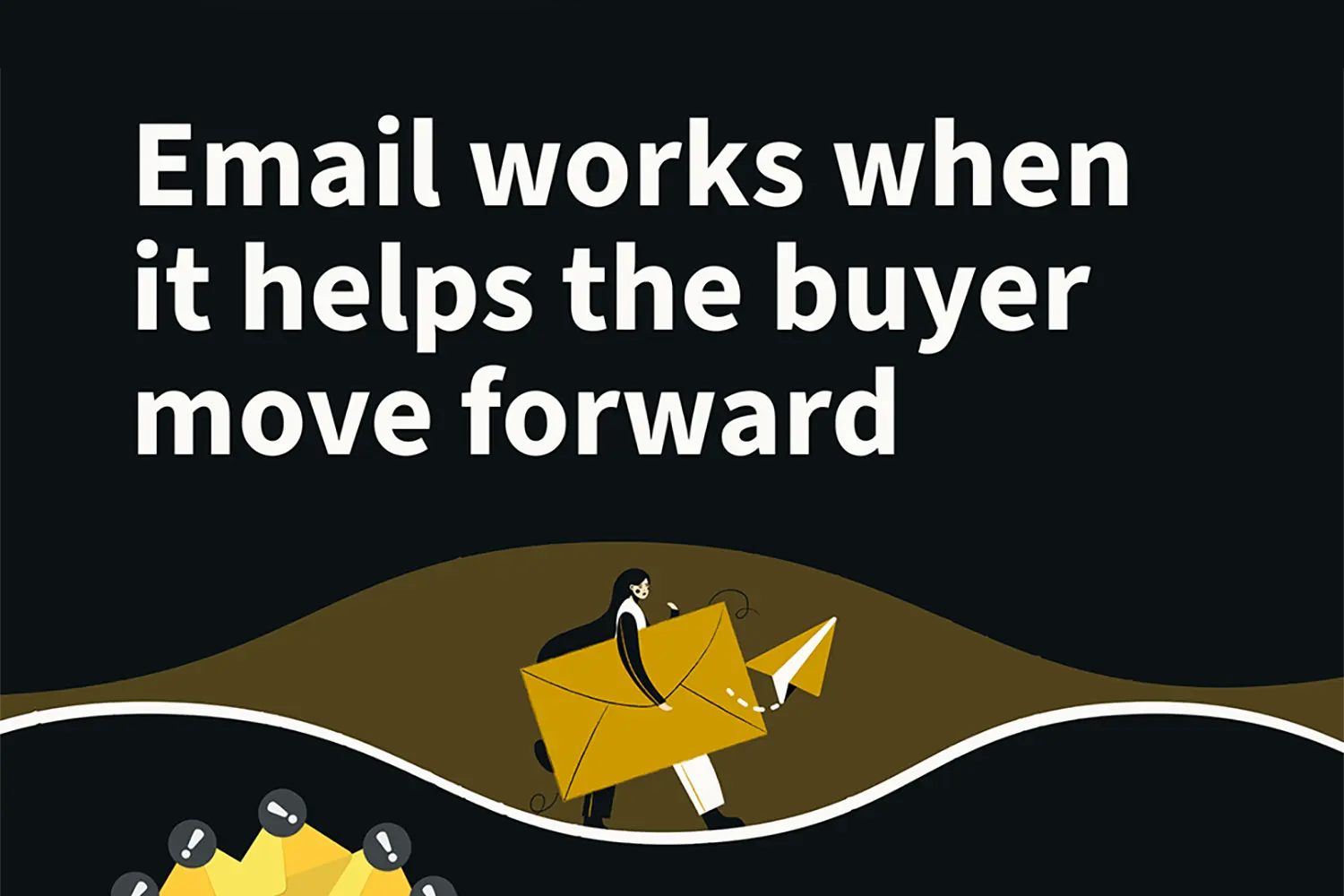
Email only works when it moves the buyer forward. That means the right message, to the right person, at the right moment. The moment you abandon relevance for reach, B2B email marketing stops converting and starts eroding trust.
The Three Levels of B2B Email
There's a clear progression from email that wastes attention to email that earns conversations. Understanding the difference is the key to converting more of the leads you already have:
- Ineffective email. Generic blasts to cold, unqualified lists. No relevance, no segmentation, no sense of where the buyer is. This is activity without progress.
- Passive nurture. A step up, but still one-size-fits-all. Everyone receives the same sequence regardless of fit or interest. It keeps you visible, but it doesn't tailor the message to the buyer.
- Segmented follow-up. The level that actually converts. Messages are matched to the buyer's needs, behavior, and stage, so each email moves the relationship forward and turns interest into conversations.
Nurture: Meeting Buyers Where They Are
Because most B2B buyers aren't ready on first contact, nurture is what keeps you in the running. A strong nurture approach doesn't push for a decision before the buyer is ready; it builds familiarity and trust so that when the timing is right, you're the obvious choice.
The goal of nurture is forward motion. Every message should advance the buyer's understanding, address a real question, or reduce a real hesitation, never simply remind them you exist.
Segment: Relevance at Scale
Segmentation is what separates passive nurture from follow-up that converts. By grouping your audience around fit, industry, behavior, or stage, you deliver messages that feel written for the reader rather than broadcast to a list.
Relevance is the entire point of B2B email marketing. A segmented message acknowledges the buyer's specific situation, which is precisely what earns the open, the click, and the reply that a generic blast never will.
Timing: The Right Message at the Right Moment
Even a relevant message fails if it arrives at the wrong time. Timing aligns your outreach with the buyer's readiness, following up while interest is fresh and continuing to show up as their situation evolves.
Strong timing turns a sequence of emails into a coherent journey. Each message lands when it's most likely to matter, keeping momentum alive instead of letting interest cool between sends.
Convert More of the Leads You Already Have
The promise of disciplined B2B email marketing is simple: you don't need more leads to grow. By replacing cold blasts with nurture, segmentation, and timing, you turn far more of your existing interest into conversations. A few priorities make the shift:
- Stop blasting cold lists and start mapping messages to buyer stages.
- Segment your audience so every email speaks to a real, specific situation.
- Build nurture sequences that move buyers forward rather than just staying visible.
- Time your outreach to match readiness, following up while interest is fresh.
Master this, and you'll convert far more of the leads you already have, without spending a dollar more to acquire them.
Frequently Asked Questions
Why doesn't blasting a cold email list work?
Cold blasting sends the same generic message to unqualified recipients regardless of fit or stage. It feels productive but doesn't move buyers forward, so it wastes attention and erodes trust instead of converting.
What is the difference between passive nurture and segmented follow-up?
Passive nurture sends everyone the same sequence, which keeps you visible but isn't tailored. Segmented follow-up matches messages to each buyer's needs and stage, which is what actually turns interest into conversations.
Why is email such an underrated B2B tool?
Most B2B buyers aren't ready to buy on first contact. Email lets you stay relevant and present across the long decision cycle, nurturing buyers until the timing is right rather than losing them after one touch.
Do I need more leads to grow with email marketing?
Usually not. With nurture, segmentation, and timing, you convert far more of the leads you already have, making better use of existing interest rather than spending more to acquire new contacts.
Brand+Aid
Brand+Aid is your go-to guide for building brands that connect and grow — with practical ideas you can use right away to sharpen your message, stand out locally, and turn attention into action.
Want help applying this to your business? Book a quick call and we’ll map out your next best brand move.
Follow us on social media
Get Clarity on Your Business Positioning
Q4 Is Coming. Are You Ready?
You Have a Growth Goal. Why Are You Shopping for Marketing Tools?
Does My Small Business Really Need Branding?
How Do I Generate Consistent Leads Without Relying on Referrals?
Can I Start a Business Without Professional Branding?
Lead Follow-Up Systems | Convert More Opportunities
Be Found Where It Counts
Optimize your brand’s online presence with SEO strategies that bring you higher rankings and more visibility. 