
Why SEO and PPC Didn't Work—And What That's Costing You Now
The Problem Often Isn't Search. It's What Happened Around It.
Here's What Many Businesses Miss
Search Is Not Just a Lead Channel. It's a Brand Moment.
Search Is No Longer Just Google Results
This Is Where Many Good Businesses Get Stuck
You Don't Need Blind Faith. You Need Proof.
What Changes When Search Is Built Properly
A Smarter Way Forward
The Real Question
See What's Working—and What's Not
Why SEO and PPC Didn’t Work—And What That’s Costing You Now
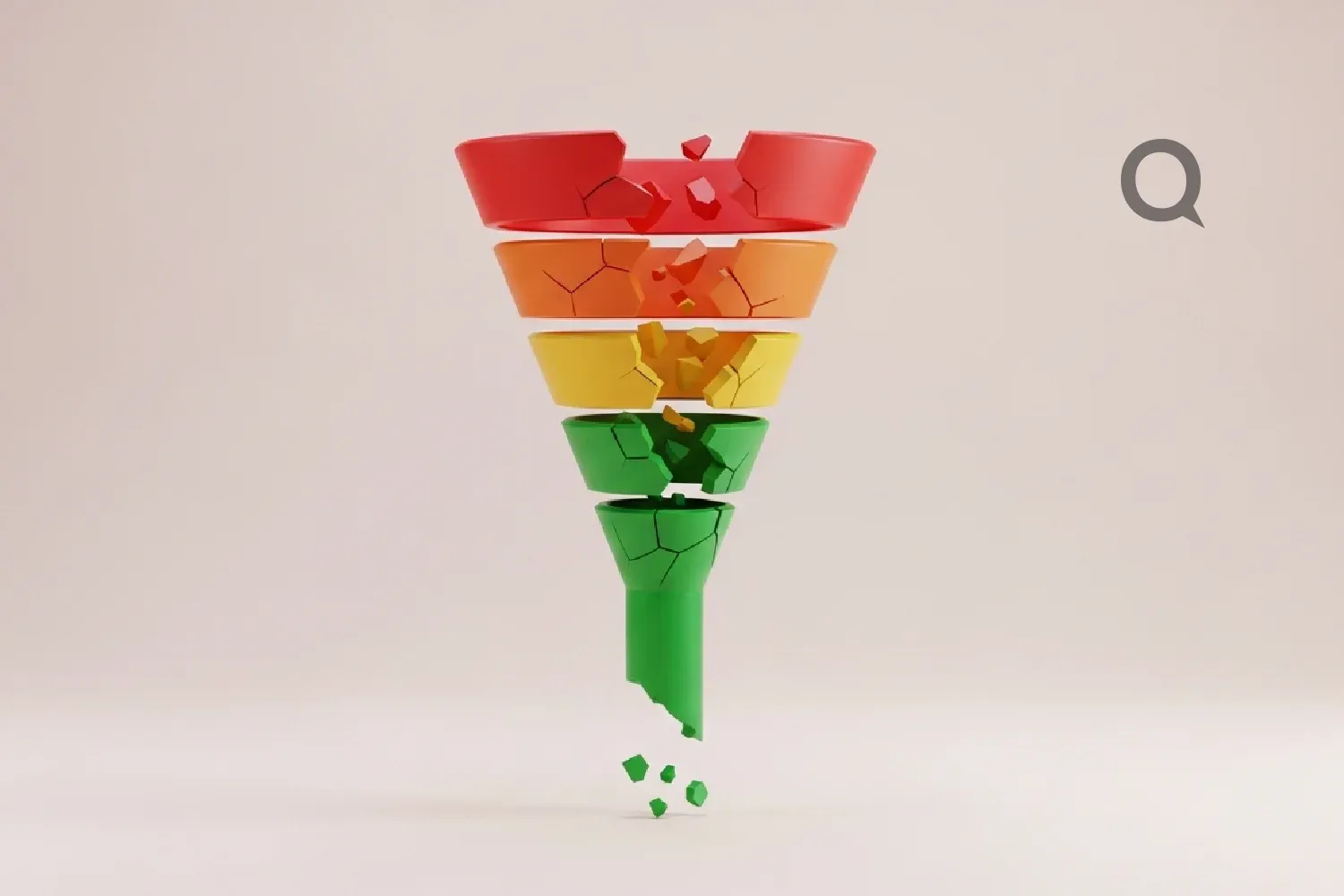
A bad marketing experience doesn’t just waste budget once. It can keep your business from being found, trusted, and chosen long after the campaign ends.
Maybe you’ve tried SEO or PPC before.
You invested. You waited. You reviewed the reports. You heard about clicks, impressions, rankings, and traffic.
But what you really wanted was simpler than that:
- More qualified leads.
- More good-fit opportunities.
- More visible proof that your marketing was helping your business grow.
And when that didn’t happen—or didn’t happen clearly enough—you pulled back. That reaction is understandable.
Most business owners aren’t against growth. They’re against wasting money chasing it. So when SEO or PPC doesn’t produce what it should, the lesson often becomes:
“This doesn’t work for us.”
And that’s where the bigger loss begins.
The problem often isn’t search. It’s what happened around it.
In many cases, SEO and PPC didn’t fail because the channels themselves are broken.
They failed because the strategy around them was weak, disconnected, or never built to convert in the first place.
That can look like:
- traffic without a clear offer
- clicks without a strong landing page
- rankings for the wrong keywords
- ads aimed too broadly
- messaging that sounds generic
- poor follow-up after the inquiry
- no meaningful tracking tied to actual leads or revenue
When those pieces are misaligned, even a solid channel underperforms.
And when that underperformance continues, you stop seeing search as an opportunity. You start seeing it as a risk.
That mindset may be costing you more than the campaign ever did.
Here’s what many businesses miss: The cost of a poor SEO or PPC experience isn’t limited to what you already spent.
The bigger cost is what happens afterward. Because while you’ve stepped back, your next customer is still searching.
They’re looking for answers.
They’re comparing providers.
They’re checking websites.
They’re deciding who looks credible, relevant, and worth contacting.
If your business isn’t visible in those moments—or doesn’t show up clearly—you don’t just miss a click.
You may be missing:
- inquiries you never knew were possible
- opportunities going to competitors
- trust at the first impression stage
- brand momentum that should already be building
That’s why search is bigger than a marketing tactic. It’s one of the places your brand gets discovered, evaluated, and chosen.
Search is not just a lead channel. It’s a brand moment.
For many businesses, SEO and PPC are treated as separate activities.
One is “organic.”
One is “paid.”
One is long-term.
One is immediate.
But from the buyer’s perspective, it’s much simpler than that.
They searched.
They found you.
They formed an impression.
That impression is shaped by everything they see:
- your headline
- your positioning
- your relevance
- your credibility
- your ease of contact
- your clarity
- your trust signals
If those pieces are weak, disconnected, or generic, your business can look average—even when it isn’t.
That’s why some companies conclude that search “doesn’t work,” when the real issue is that the brand, the message, and the conversion path were never aligned.
Search is no longer just Google results.
Today, your buyers may discover you in more than one place.
They may search Google.
They may click an ad.
They may read organic results.
But they may also ask AI tools to help them compare options, summarize choices, or point them toward a provider.
That means visibility now matters in two ways:
- whether your business shows up in search
- whether your business is clear, credible, and useful enough to be surfaced in AI-driven answers and summaries
The principle hasn’t changed.
Clear positioning still matters. Useful content still matters. Trust signals still matter.
In fact, they matter more. Because if your website, service pages, and supporting content are thin, generic, or disconnected, you’re not just weakening your Google performance.
You’re also reducing your chances of being surfaced, cited, or selected in AI-assisted discovery.
That’s why SEO today is bigger than rankings.
It’s about building digital visibility that helps your business get found, understood, and trusted across search, paid media, and AI-driven discovery.
This is where many good businesses get stuck.
A strong business can survive a poor marketing experience. But it often carries the scar longer than it should.
That scar shows up as hesitation:
- reluctance to spend again
- reluctance to trust another agency
- reluctance to invest in visibility
- reluctance to believe measurable growth is possible
And that hesitation can quietly shrink the future.
Not because demand is gone. Not because buyers stopped looking. But because the business has been conditioned to stop showing up where decisions begin.
You don’t need blind faith. You need proof.
You don’t have to “believe in SEO” or “believe in Google Ads.”
You don’t need to rely on promises, jargon, or vague reporting.
You need a setup that lets you see what is actually happening.
With proper goals and Google Analytics tracking in place, you can measure whether your organic and paid efforts are producing real inquiries, qualified leads, and meaningful business outcomes.
That changes the conversation.
Instead of asking: “Do we think this is working?” You can ask:
- Which channel is producing the right inquiries?
- Which message is converting better?
- Which landing page is doing its job?
- Where are leads dropping off?
- What deserves more investment?
- What needs fixing?
That’s a much stronger place to operate from.
What changes when search is built properly
When SEO and PPC are aligned with a clear brand message and a conversion-focused strategy, everything shifts.
SEO stops being a vague, long-term promise. It becomes visibility in the moments your ideal buyers are already looking.
PPC stops feeling like money disappearing into a machine. It becomes a controlled, measurable way to test offers, drive inquiries, and build momentum.
Your website stops acting like an online brochure. It becomes a tool that helps the right people understand why they should choose you—and what to do next.
And perhaps most importantly, marketing stops being judged by activity alone. It starts being judged by outcomes.
A smarter way forward
If you’ve had a bad experience before, the answer isn’t to “try again.” It’s to rebuild the foundation properly.
Start with better questions:
- Are we clear on what makes us the right choice?
- Are we attracting the right search intent?
- Does our message reflect what buyers actually care about?
- Are we sending traffic to a page built to convert?
- Can we measure what happens after the click?
- Are we improving visibility and conversion together?
That’s how you reduce risk.
That’s how you stop guessing.
That’s how you give search a real chance to do what it was supposed to do.
The real question
The question isn’t whether SEO or PPC works. It’s whether your business has ever had it built to work properly. Because your customers are still searching.
The only real issue is whether they’re finding you, trusting you, and choosing you… or finding someone else first.
SEO is no longer just about rankings.
It’s about helping your business get found, understood, and trusted across search engines, paid media, and AI-assisted discovery.
See what’s working—and what’s not.
A quick review can show:
- where you’re visible today
- where you’re being missed
- what’s blocking conversion
- what would actually change the outcome
Brand+Aid
Brand+Aid is your go-to guide for building brands that connect and grow — with practical ideas you can use right away to sharpen your message, stand out locally, and turn attention into action.
Want help applying this to your business? Book a quick call and we’ll map out your next best brand move.
Follow us on social media
Your Brand is Just the Beginning
Expand your impact with direct mail, digital marketing, printing, and workwear solutions tailored to keep you ahead. 
