
5 Types of Logos: Which Is Right for Your Business?
1. Symbols and Icons: A Distinctive Visual Shorthand
2. Wordmarks: Make Your Business Name the Focus
3. Lettermarks: Simplify a Longer Name
4. Combination Marks: Bring Your Name and Symbol Together
5. Emblems: Give Your Identity a Defined Shape
How to Choose the Right Logo for Your Business
How Much Does Professional Logo Design Cost?
Need to See Your Identity Across More Applications?
What Should You Receive With Your New Logo?
Give Customers a Clearer Reason to Choose You
5 Types of Logos: Which Is Right for Your Business?
Your logo often appears before you get a chance to explain your business. On a website, storefront, work vehicle or proposal, it helps customers form their first impression.
The right design makes your business easier to recognise and remember. It should also fit the customers you want to attract and the reputation you want to build.
So, should you choose a symbol, your business name, initials or a combination?
Here are five common types of logos—and what to consider before choosing yours.
1. Symbols and icons: a distinctive visual shorthand
A symbol logo represents your business through an image. Think of Apple’s apple, Target’s bullseye or Nike’s swoosh.
A strong symbol can be simple, memorable and easy to use in small spaces, such as social profile images.

 |  |
When it makes sense: You want a distinctive visual element that can become recognisable across your marketing.
What to consider: Customers need to learn what that symbol represents. Established brands can use an icon alone because people already know them. For a new or less familiar business, pairing the symbol with your name usually gives customers more information.
You can build recognition over time without asking people to guess who you are.
2. Wordmarks: make your business name the focus
A wordmark uses your business name as the logo, with carefully chosen or custom lettering. Google, Coca-Cola and FedEx are familiar examples.
The typeface, spacing and letterforms give the name its character. The result can feel precise, approachable, established or energetic, depending on the design.


When it makes sense: Your name is distinctive, reasonably short and worth putting front and centre.
What to consider: Readability matters. Elaborate lettering may look attractive at a large size but become difficult to read on a phone screen or business card. A long business name may also need a more compact variation.
A well-designed wordmark makes your name easier to recognise while expressing something about your business.

3. Lettermarks: simplify a longer name
A lettermark uses initials rather than the full business name. IBM, CNN and HP demonstrate this approach.
It can create a compact identity when a name is long or difficult to fit into everyday applications.

When it makes sense: Your customers already use your initials, or your full name is cumbersome.
What to consider: Initials can be unfamiliar and easy to confuse with another business. If customers don’t know what the letters mean, you may need to show your full name alongside them.
Before shortening your name, consider whether you’re also removing information that helps customers understand or remember you.
4. Combination marks: bring your name and symbol together
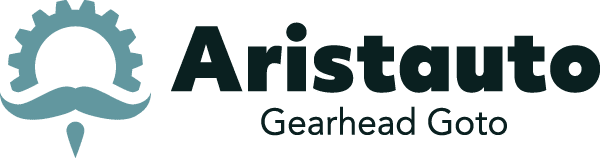
A combination mark pairs your business name with a symbol. Adidas and Toblerone are familiar examples.
This gives you several useful options: the full logo, a compact arrangement and, where appropriate, a standalone symbol.
 |  |
 |  |
 When it makes sense: You want customers to learn your name while building recognition around a distinctive visual element.
What to consider: The name and symbol should work together without competing for attention. You’ll also need clear guidance on which variations to use.
For many small and growing businesses, a combination mark offers a practical balance of clarity and flexibility.

5. Emblems: give your identity a defined shape
An emblem places the business name within a badge, shield or other enclosing shape. Examples include LEGO, UPS and BMW.
This approach can suggest heritage, craftsmanship or belonging, depending on how it is designed.
 When it makes sense: A badge-style identity suits your positioning and the places your logo will appear.
What to consider: Detailed emblems can lose clarity when reduced. Small lettering, fine lines and decorative elements may be difficult to reproduce on embroidery, social profiles or compact signage.
A simpler version may be needed for smaller applications.
How to choose the right logo for your business
Start with your customers, your positioning and how the logo will be used.
A contractor may need a name that is readable on a moving vehicle. A therapy practice may need an identity that feels approachable and credible. A manufacturer may need its logo to reproduce clearly on equipment, technical documents and product labels.
Before approving a design, ask:
- Is it clear? Can people read the name and recognise the design quickly?
- Is it relevant? Does it create the right impression for your audience?
- Is it distinctive? Will it help customers distinguish you from competitors?
- Is it practical? Does it work on your website, signage, social profiles and printed materials?
- Is it versatile? Does it remain clear at small sizes and in one colour?
You don’t need to force everything your business does into one logo. Your messaging, photography and other brand elements help tell the fuller story.
How much does professional logo design cost?
Your investment depends on the groundwork required and the scope of the finished identity.
If your name, audience and positioning are already clear, a focused logo project may be enough. If you’re launching, repositioning or bringing inconsistent branding together, you may benefit from a more complete approach.
Use these indicative ranges to plan your budget:
Focused logo design
$1,500 to $2,500 CAD
For businesses with an established name and clear direction.
Brand identity development
$3,500 to $6,500 CAD
Logo design supported by colour, typography, usage guidelines and a defined selection of application mockups.
Brand strategy and identity
From $7,500 CAD
Positioning and messaging developed alongside your visual identity.
These ranges are a planning guide. Your proposal will define the deliverables, design concepts, revision rounds and fee before work begins. Naming, additional marketing materials and applicable taxes are separate unless included in your proposal.
The useful question is: What does your business need this investment to achieve? That helps you choose the right scope from the start.
Need to see your identity across more applications?
Your proposal will specify the number of application mockups included, helping you assess how your logo will work in practice. Projects requiring a wider range of mockups—such as vehicles, uniforms, signage, packaging or digital layouts—will be priced to reflect that additional scope. Production-ready artwork is quoted separately. Any additional applications requested later will be quoted for your approval before work begins.
What should you receive with your new logo?
A finished logo should be ready for everyday use.
Your agreed scope should identify the logo variations and files you’ll receive, including versions suitable for digital use and professional printing. It should also explain how colours, typography and spacing should be handled.
Clear usage guidance helps everyone—from your web designer to your sign supplier—present your business consistently.
Give customers a clearer reason to choose you
Your logo is one part of making your business the clear choice. It works best when it reflects a clear understanding of who you serve, what makes you different and where you want to grow.
Mystique Brand Communications helps businesses in Toronto and across the GTA develop brand strategies and visual identities that bring those decisions together.
Starting fresh, updating an established logo or wondering whether your current identity still fits? Let’s discuss what you need and which approach makes sense for your budget.

Boldly Grow.
Paul Bies — Partner & Brand Strategist, Mystique Brand Communications
Brand+Aid
Brand+Aid is your go-to guide for building brands that connect and grow — with practical ideas you can use right away to sharpen your message, stand out locally, and turn attention into action.
Want help applying this to your business? Book a quick call and we’ll map out your next best brand move.
From Concept to Conversion: We Cover It All
Brand development is just the start. Discover how PPC, SEO, and printing can bring your business full circle.

